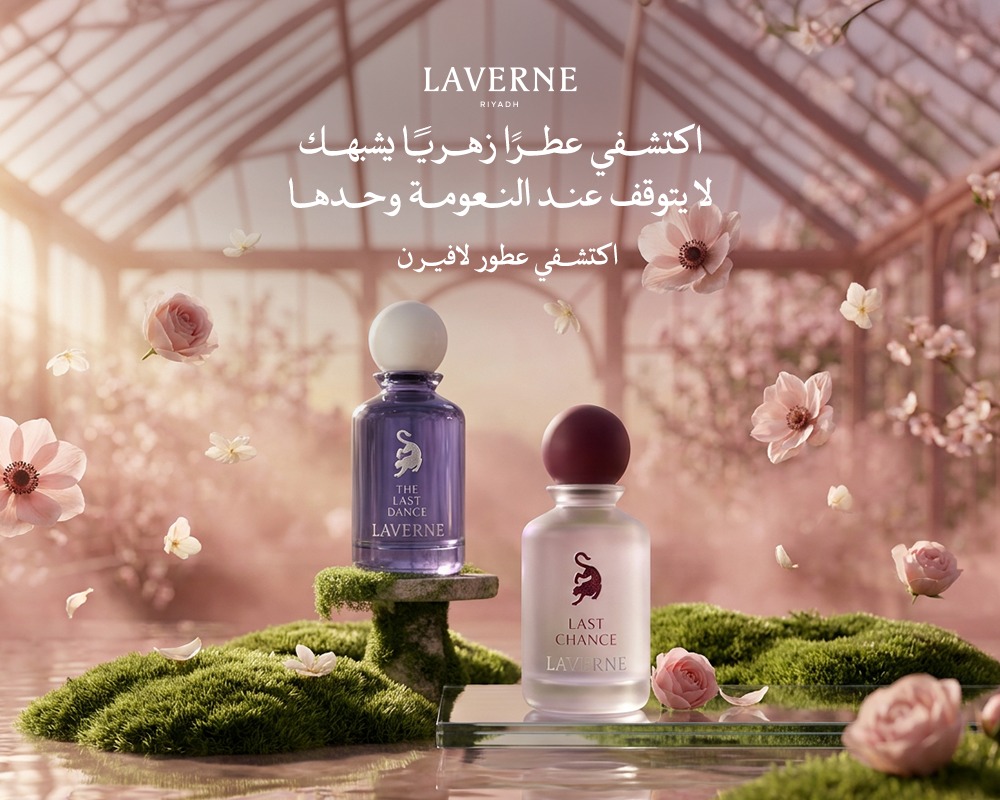
You might hear the phrase "floral perfume" and immediately imagine a soft, calming scent, reminiscent of roses or jasmine. This perception is sometimes accurate, but it doesn't tell the whole story.
Flowers within a fragrance do not exist in isolation. They may come with musk, becoming close to the skin, or with wood, gaining stability and depth, or with fruits, appearing brighter, or with citrus, taking on a purer and more dynamic beginning.
Therefore, a floral fragrance is not a single promise of softness.
It is a vast space of sensation, changing according to what surrounds the flowers within the composition.
What does floral perfume mean?
A floral fragrance is one in which flowers are a prominent feature. It may include notes such as rose, jasmine, orange blossom, peony, gardenia, magnolia, or violet.
But the presence of flowers doesn't mean the fragrance will be merely soft. A floral note can be luminous, powdery, warm, close to the skin, or more pronounced when blended with deeper ingredients.
Therefore, it's not enough to simply read the word "floral" on the perfume label. The most important thing is to ask:
What did the flowers come with?
Does it contain musk? Wood? Fruits? Citrus? Amber?
Here the whole feeling changes.
Why do many women think that pink only means soft?
Because most mental images of flowers are associated with tenderness and tranquility, roses, jasmine, and peonies evoke a familiar feeling, it's easy to imagine a floral fragrance as a simple and soft scent.
But in perfumery, the flower is not the end of meaning. It is a beginning that can be shaped.
The flower may be in a calm morning fragrance, it may be in a warm evening fragrance, and it may become part of a more balanced woody fragrance.
Softness is one aspect of flowers, but it's not the whole story.
A floral fragrance with musk: closeness and tranquility on the skin
When floral fragrances blend with musk, the sensation becomes more intimate. The flowers don't appear as a high note or too overpowering, but rather subtly blend into the wearer's personal presence.
This type is suitable for those who want a daily floral fragrance that doesn't fill the space, but leaves a trace when close by.
The floral musky fragrance may be suitable for work, mornings, quiet meetings, or days when a light scent is needed in your presence, but not fleeting.
General feeling:
Calm flowers, close musk, a soft trace that does not demand attention.
A floral fragrance with woody undertones: a softness with a hint of subtlety.
When flowers meet wood, the fragrance changes. The flower not only remains light, but becomes more persistent and deeper.
Wood gives flowers a base. It makes them less volatile and more subdued in the end. The flower may initially appear soft, then settle into sandalwood, cedar, patchouli, or vetiver.
This trend is suitable for those who love flowers, but do not want a fragrance that is too delicate or disappears quickly.
The wood here does not extinguish the flower, but rather gives it shade.
General feeling:
Clear florals, a calm base, a balanced presence suitable for day and evening.
A floral fragrance with fruity notes: radiance and vitality
When flowers blend with fruits, the fragrance becomes brighter and more vibrant. Notes such as raspberry, peach, pear, apple, or pomegranate may emerge alongside rose, jasmine, or peony.
This type of fragrance not only feels soft, but also has a more vibrant feel. The floral notes lend it a sense of closeness, while the fruity notes give it a fuller, more pronounced opening.
The floral-fruity fragrance is suitable for those who want a more cheerful everyday scent, but without it becoming too sweet.
General feeling:
Luminous flowers, soft fruits, a scent closer to movement and daytime.
A floral fragrance with citrus: a cleaner, lighter start
Citrus notes like bergamot, lemon, orange, or mandarin alter the way flowers appear. They make the opening lighter and purer, giving the fragrance a feel suitable for daytime and warm weather.
In this type of flowering, the blossoms don't just appear as a powdery or romantic sensation, but rather as something more subtle. It's as if the citrus fruits open a small window before the flowers begin to bloom.
This trend is suitable for those who fear that a floral fragrance might be too heavy or traditional. Citrus gives it a more pronounced and accessible entry.
General feeling:
A light opening, calming florals, a fragrance suitable for everyday wear.
Can a floral fragrance be suitable for the evening?
Yes. Not every floral fragrance is only suitable for daytime. If the flowers are blended with wood, amber, musk, or a warm oriental touch, a floral fragrance can become suitable for the evening.
The difference here is in the rule.
If the base is very light, the fragrance tends to be daytime.
If the base is warm or woody, the fragrance becomes calmer at night and more persistent in the sensation.
So, don't just ask: Is it pink?
Ask: How does this perfume end? And on what base does it settle?
When should you choose a floral perfume?
Choose a floral fragrance when you're looking for a scent that conveys a sense of closeness and clarity. But determine the type of floral fragrance according to the moment:
- If you want it to be everyday and calming, choose the musky pink.
- If you want it to be more balanced, choose the wooden rose.
- If you want it to be bright, choose a fruity pink .
- If you want it to start off light, choose a citrusy pink .
- If you want it for the evening, look for a floral one with a wooden or warm base.
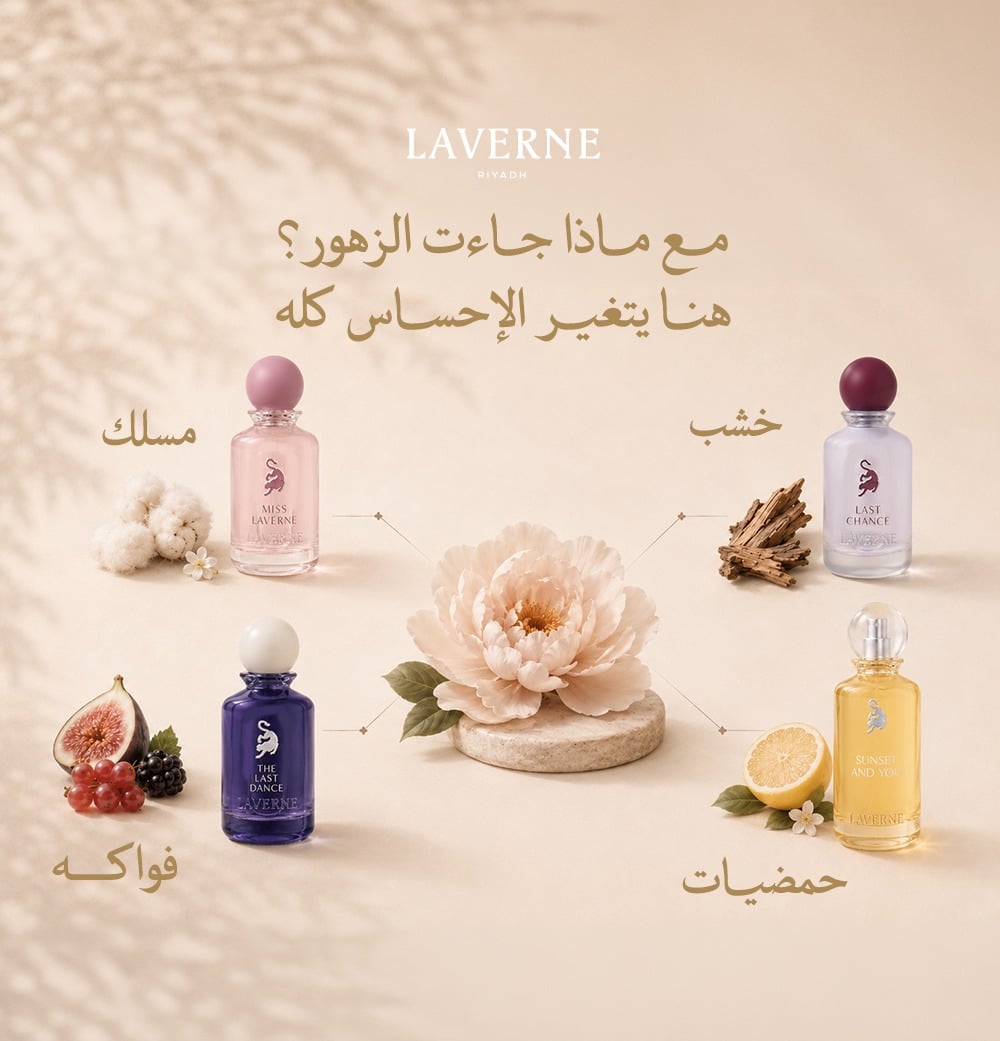
In this way, the choice is not based on the word “pink” alone, but on the feeling you want from the flower.
How do you read the description of a floral perfume before buying it?
Start with the notes, but don't stop at the first flower. Read the entire composition:
If you see rose or jasmine with musk, expect a close and calming scent.
If flowers appear alongside sandalwood or patchouli, expect a more lasting fragrance.
If the flowers come with berries or peaches, expect a more lively feeling.
If the composition starts with bergamot or mandarin, expect a lighter and clearer opening.
A floral fragrance is understood from its relationships, not just from its name.
Common mistakes when choosing a floral perfume
The belief that every floral fragrance is very soft
Flowers may be soft, but they may also be warm, woody, bright, or deep depending on the composition.
Judging a perfume from the first spray
Some floral perfumes start off light, then musk, wood, or amber notes emerge later. Give the perfume time to reveal its base.
Ignore the fragrance base
The base determines much of a fragrance's character. Floral notes may initially seem soft, but a woody or warm base can make the fragrance more prominent.
Choose the perfume from the picture only.
The image may suggest a soft scent, but the composition could be much deeper. Reading the notes and the fragrance family will help you make a clearer choice.
Summary: The flower changes depending on who accompanies it.
Floral fragrance is not a single mold.
It may be soft with musk, firmer with wood, brighter with fruit, or lighter with citrus.
Therefore, when choosing a floral fragrance , don't just look for the flower. Look for the whole story: how does it begin? What does it hold at its heart? And what does it settle on?
The flower alone does not tell everything.
Sometimes she needs shade, warmth, or a little light… so that her presence is properly felt.
Frequently Asked Questions
What does floral perfume mean?
A floral fragrance is one in which floral notes are prominent, such as rose, jasmine, peony, orange blossom, or violet. However, it doesn't always mean just a delicate scent, as the overall impression varies depending on the other ingredients used to accompany the flowers.
Is a floral fragrance always soft?
No. A floral fragrance can be soft if it is mixed with musk, more lasting if it comes with wood, brighter if it is mixed with fruits, and lighter if it starts with citrus.
What is the difference between a floral musky fragrance and a floral woody fragrance?
A floral-musky fragrance is closer to the skin and more subtle. A floral-woody fragrance, on the other hand, gives the flowers a more stable and deeper base, and can be suitable for both day and evening wear depending on the composition.
Is a floral fragrance suitable for work?
Yes, especially if it's a musky floral, a citrusy floral, or a light woody floral. These trends create a calm presence that doesn't seem overpowering in a work environment.
Can a floral fragrance be suitable for the evening?
Yes. If the flowers are blended with wood, amber, musk, or warm notes, a floral fragrance can be suitable for evenings and quiet occasions.
How do I choose an unconventional floral perfume?
Look for a floral fragrance blended with wood, fruits, citrus, or musk. These combinations allow the flowers to emerge in a different way, rather than just a straightforward floral sensation.
Is a floral perfume suitable as a gift?
Yes, because flowers are often familiar and easy to understand. But for a more precise choice, specify the type of floral scent: musky for tranquility, fruity for vibrancy, woody for balance, or citrusy for lightness.
Discover from Laverne a floral fragrance that doesn’t stop at softness alone, but moves between musk, wood, fruits, and citrus… to leave a calm presence that resembles you.